Hi, I'm Abel.
I’m a social scientist figuring out how people interact with new things (information environments, data, tech, ideas) and how to make those things more compelling and user-friendly. Check out my portfolio of projects to get a sense of what this looks like across a variety of methods and topics.
As a co-founder and principal at XandY, I lead consumer research and behavioral science projects for high-profile clients including Fortune 500 companies, AI startups, Ivy League universities, and global nonprofits across tech, sustainability, finance, energy, and healthcare.
During my time as an academic scientist, I developed a large-scale research program investigating how people evaluate and trust new information. Managing a team of researchers, I used quant and qual methods to test how changes in the way information is presented affects people’s responses and decision-making. I also taught courses on research methods, science communication, and data storytelling.
My research projects have been covered in the New York Times, The Washington Post, Reuters, ABC News, CNN, Forbes, LA Times, National Geographic, Rolling Stone, and others including The Onion.
Postdoc at Yale University | Ph.D. from UC Santa Barbara
Before my career as researcher, I was trying to make it on the professional beach volleyball tour (highest ranking #54).
Project Portfolio

Here’s a few things I’ve been working on:
TESTING THE EFFECTS of ADDING CERTAINTY INDICATORS into AI RESPONSES
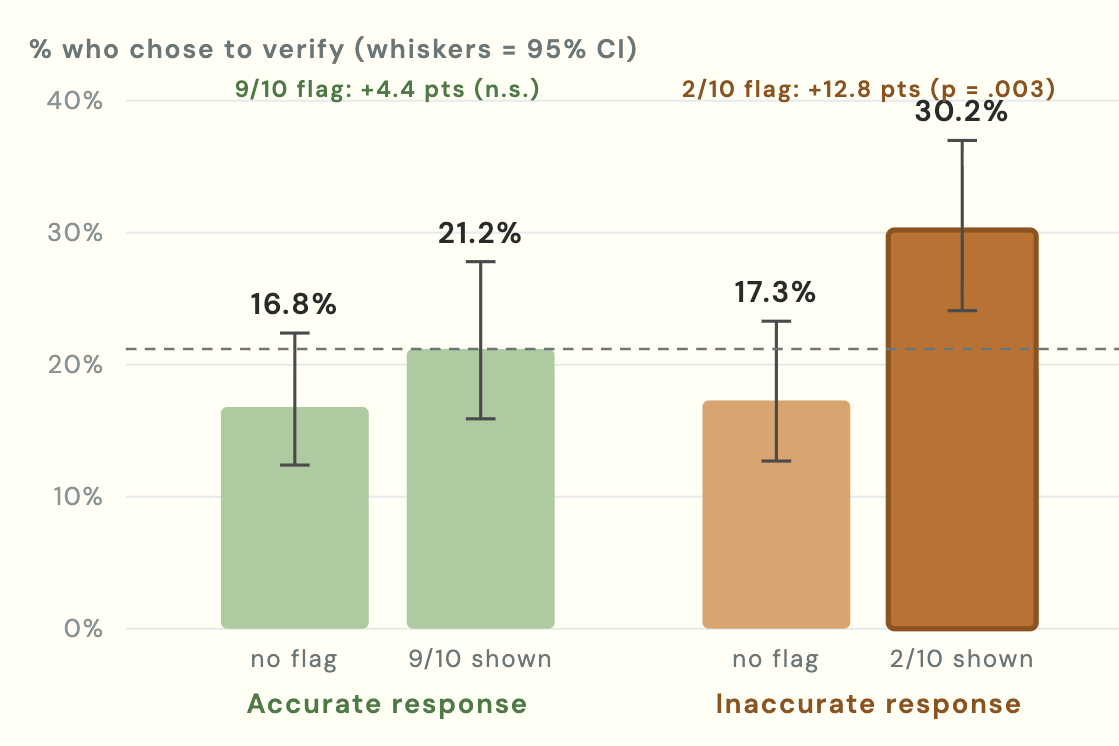
Many AI tools need to guard against overconfidence and hallucinations. Sometimes a LLM can provide an accurate answer with high confidence, while other times it’s a tenuous guess. So should your AI disclose its confidence level? Is displaying uncertainty and nuance a good UX decision?
Here, I conducted a series of studies using both quant and qual methods to test how displaying confidence levels in AI responses affects user behavior and attitudes.
RENOVATING THE UX/UI of an AI SaaS PRODUCT by INTERVIEWING FORTUNE 500 EXECS
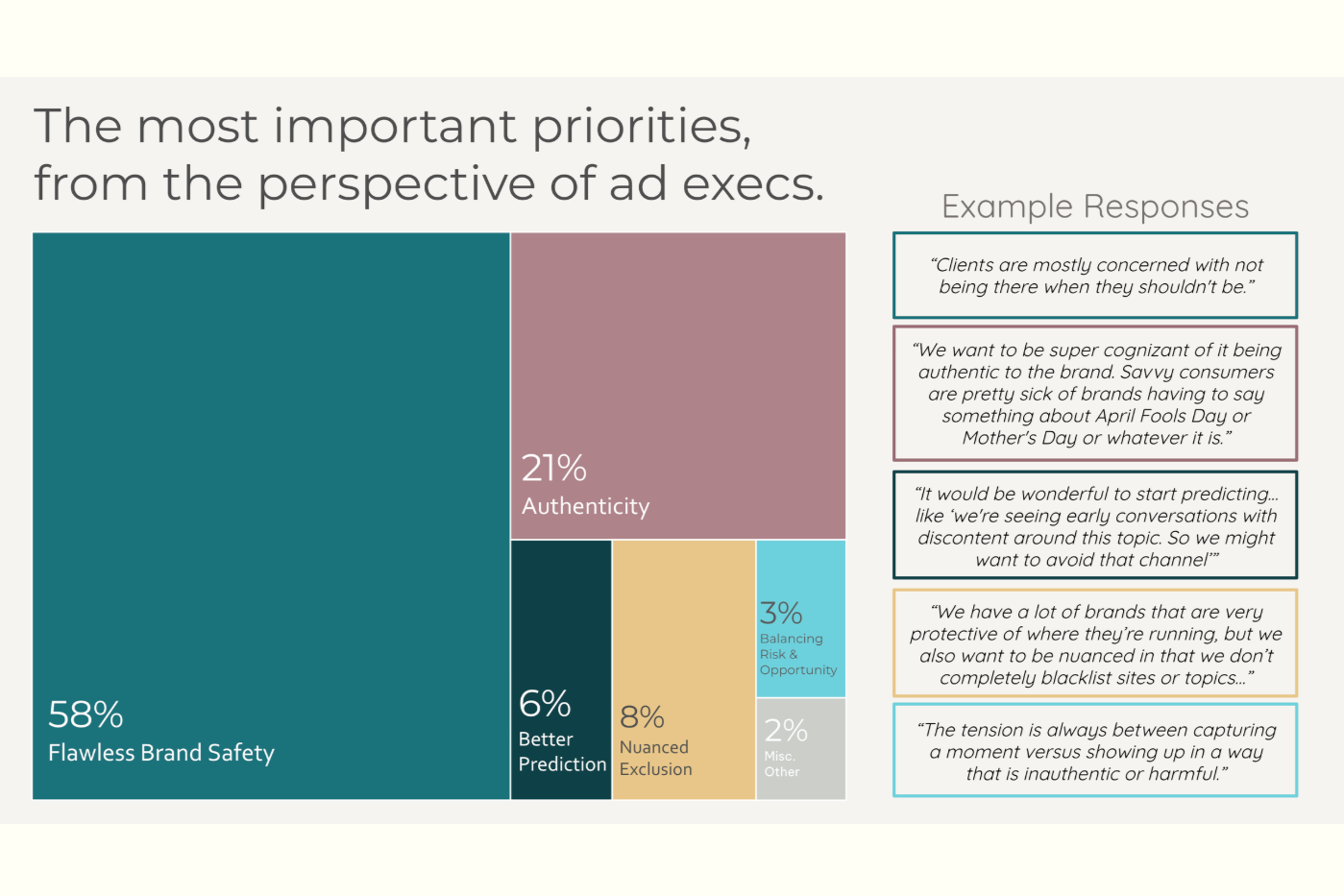
Our client was launching a AI-powered tool to improve the contextual fit of digital ads (i.e., to make sure they show up in relevant, appropriate contexts), but needed feedback from advertising execs to understand their needs and pain points. I designed a multi-stage research plan to discover how to tailor this tool for users and their teams. By working closely with the product team, sales, and C-suite, I helped use the results to inform a comprehensive and enduring overhaul of their core product.
USING SEARCH BEHAVIOR DATA to IMPROVE ELECTION FORECASTS
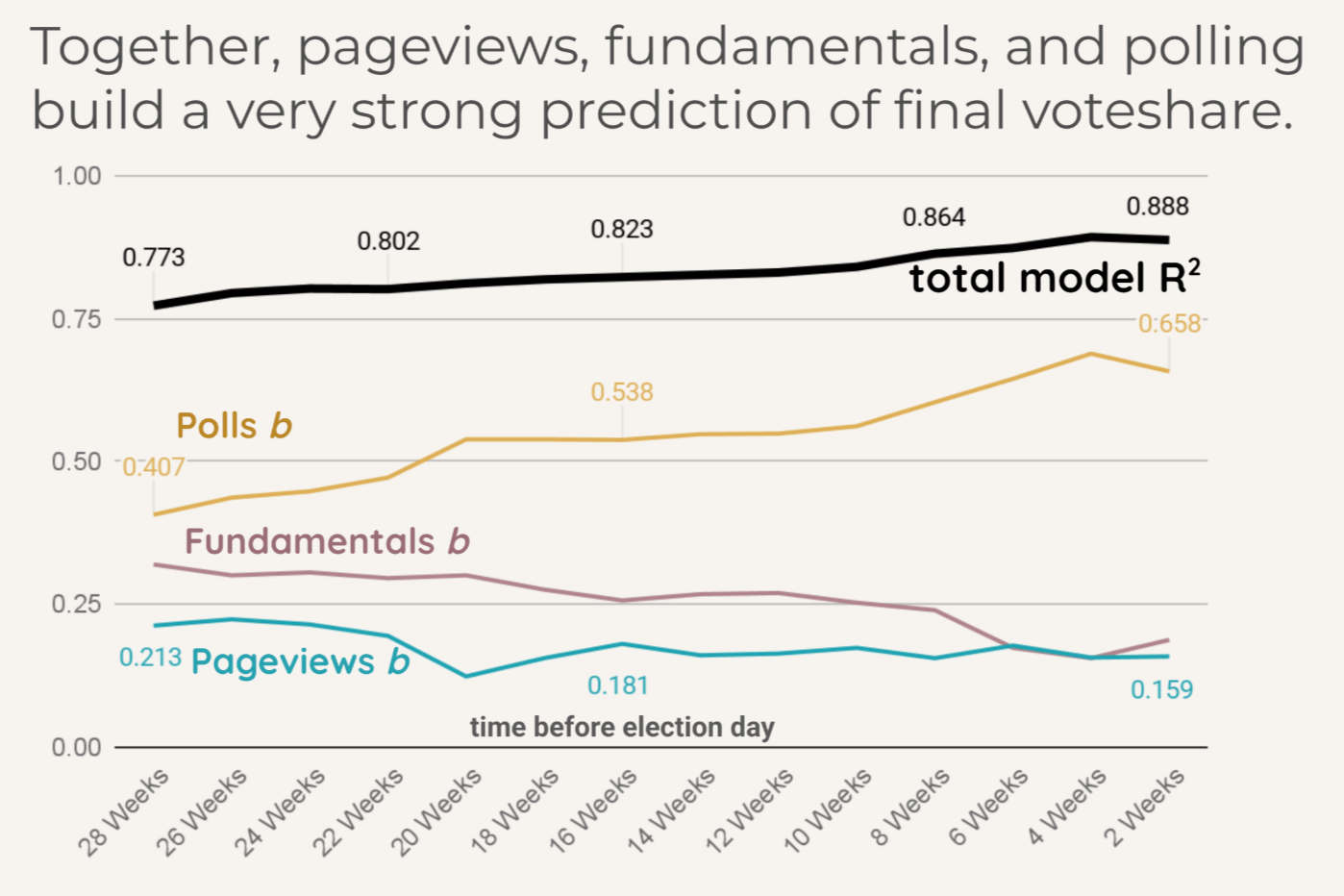
The typical election forecast uses a mix of polling and “fundamentals” (data about the current political landscape). But I decided this could be even more accurate by accounting for something that nobody else was looking at: information-seeking trends by internet users. By adding in this behavioral data, I was able to significantly improve upon the best election forecasts for dozens of elections. Overall, this showed how scraping behavioral data about online information-seeking can give us helpful insights into how people will take action in the future (voting, purchasing, etc.).
HELPING a GLOBAL RENEWABLE ENERGY COMPANY LAND a $700M DEVELOPMENT DEAL
Here, I led a comprehensive study of consumer behavior and price tolerance for a large energy company that enabled them to calibrate their messaging and financial strategies as they expanded into a new market. Through a representative survey of energy consumers in their target market, our findings showed exactly how much consumers were willing to pay for electricity from renewable sources, and how different types of energy (onshore wind, offshore wind, solar, etc.) would impact public support for new builds. These insights helped them calibrate a successful bid and then design messaging strategies for the rollout.
LEADING NATIONAL GEOGRAPHIC’S ANALYSIS of an INTERNATIONAL MARKET RESEARCH INITIATIVE
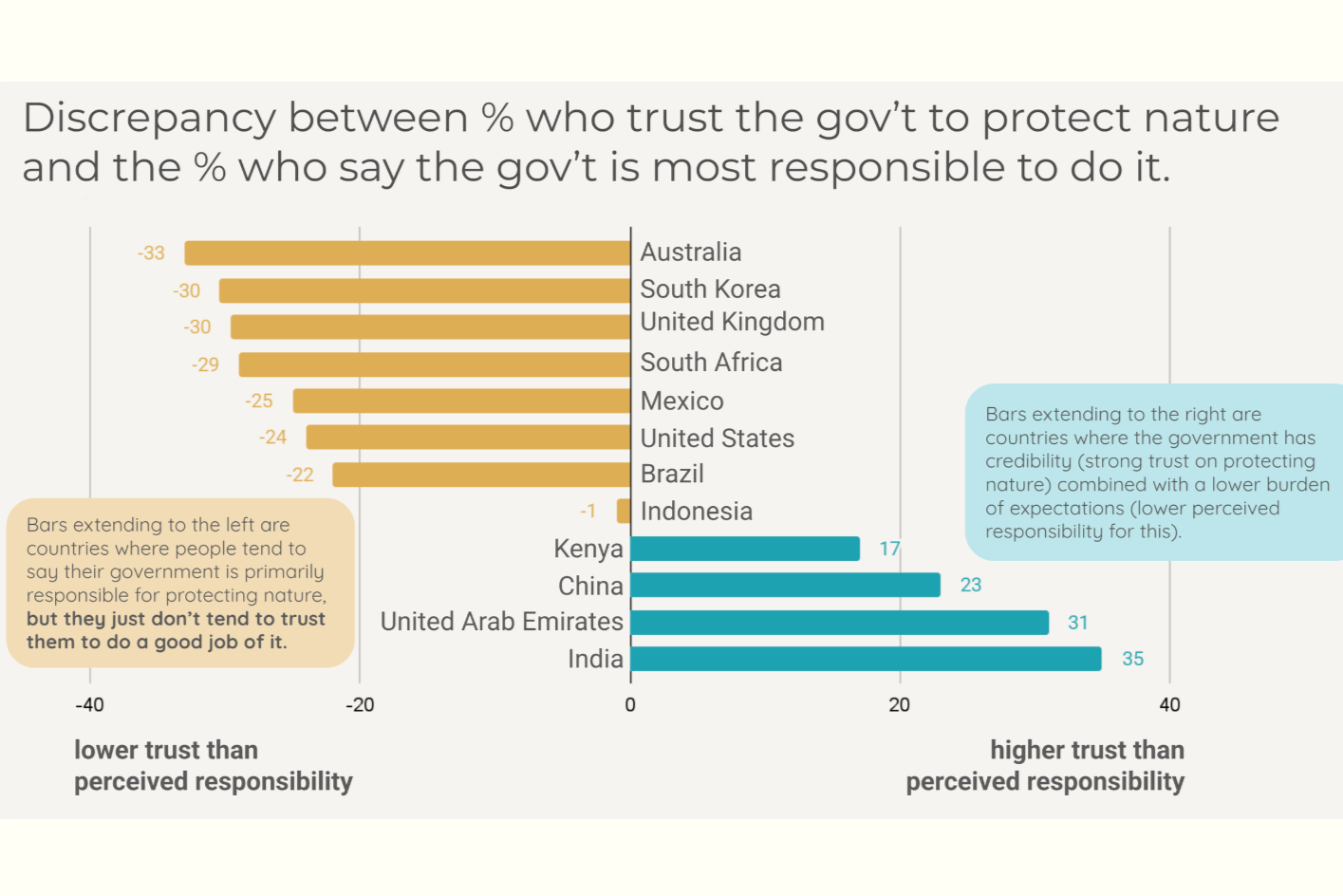
Here, I led an international market research initiative and strategic comms consulting for National Geographic. The results showed how to tailor sustainability comms to the unique attitudes and behaviors of each of 12 countries (USA, Mexico, Brazil, UAE, Kenya, Indonesisa, etc). Using predictive modeling I was able to uncover the psychological mechanisms that are most strongly linked to key behavior outcomes, and also how this underlying structure of influences differs widely across international markets. These insights fed into the comms strategies that National Geographic would then deploy in their international outreach efforts.
MEASURING POPULATION-LEVEL EFFECTS of a TAILORED AD CAMPAIGN
In this project my team crafted a multimedia comms campaign to resonate with a target audience’s values and motivations. We pre-tested videos (survey experiments, dial testing, etc.) and then after final editing and refinement they were launched as digital ads in 2 congressional districts in Missouri and Georgia. We randomly assigned half the zip codes to a treatment condition (got ads) and half to a control condition (no ads), and then used a representative survey to assess differences between the treatment and control. After running for 30 days and gathering millions of views, this field experiment showed a large persuasive effect of the campaign specifically in our target demographic.
First Principles

First Principles
Everything comes back to quality. There’s just no substitute for doing really good work that really matters.
The user is king. Value is usually determined by how people respond.
There is only one (1) shortcut to mastery and unfortunately it is: fearlessly asking dumb questions.
Success comes from shrinking the gap between awareness and action.
The secret sauce has always been: curiosity + courage + kindness.
“How you do anything is how you do everything.”
Absence of ego + presence of mind = peak performance.
You can just do things.
Meme Bucket